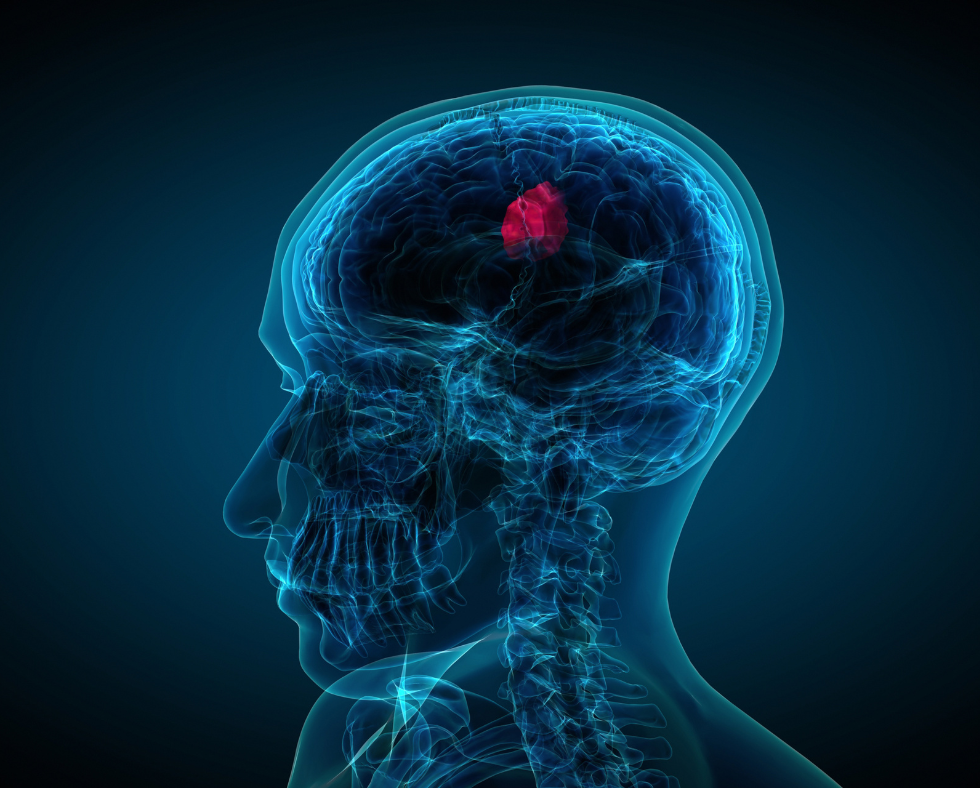
The Weight of Responsibility – Facing Terminal Cancer
When my third son took over as director of the Seoul Insan Korean Medicine Clinic, treating cancer patients, I felt the urge to help him. Walking into the clinic each day, I felt an overwhelming heaviness in my chest.
What was the source of this inner turmoil?
Watching patients return after surgery and chemotherapy, only to face advanced-stage cancer with no hope of recovery, triggered feelings of helplessness and despair. Should we send them home knowing nothing can be done, or should we still try, hoping for a miracle?
Decades of experience did not shield me from this emotional whirlpool. I wondered if my mind was genetically predisposed to struggle with these situations.
The Calm of Dr. Insan Kim Il-Hoon
Dr. Insan, in contrast, remained unwavering. He prescribed treatments even for patients deemed hopeless. While I felt frustration, confusion, and the urge to give up, he maintained calm and clarity, acting with full presence for each patient, whether they were in the early stages of illness or facing Terminal cancer:.
This contrast forced me to confront my own arrogance and expectations:
- Why did I assume my efforts must always yield tangible results?
- Why did I attach my self-worth to outcomes?
- Why did I feel powerless when my knowledge seemed insufficient?
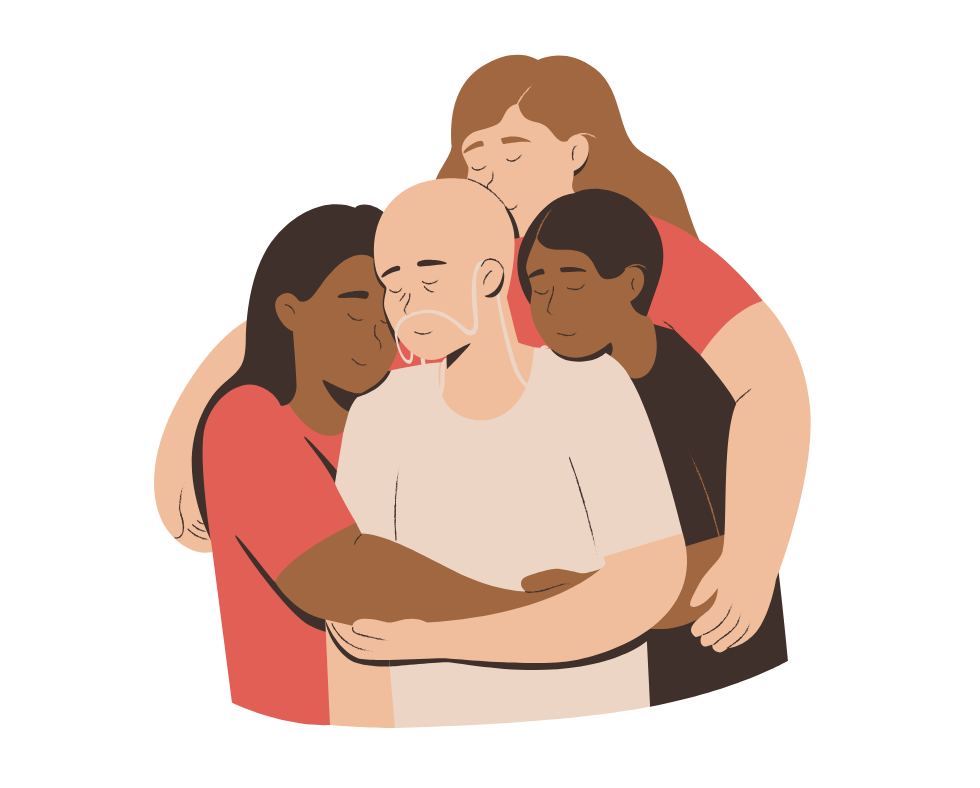
Letting Go of the Need for Control
Through reflection, I realized that my despair stemmed not from compassion for the patient, but from my fear of my own limitations and the potential failure of the medicine I believed in. Dr. Insan’s approach was different: he focused entirely on alleviating the patient’s suffering, without self-interest or ego.
By writing down my thoughts, I gradually found peace. I understood that:
- Not every effort must have a visible result.
- True wisdom lies in accepting reality as it is.
- Supporting someone does not depend on guaranteed success.
I began to embrace the philosophy that my children’s paths, whether aligned with my expectations or not, are worthy of support, and that my role is to nurture and guide, not control.
Lessons for Caregivers and Healers
- Compassion without attachment: Care for patients regardless of prognosis.
- Accept impermanence: Confronting death is challenging but essential for inner peace.
- Detach ego from outcomes: Healing is not about proving our abilities but relieving suffering.
- Empathy over control: Focus on alleviating the patient’s pain rather than seeking personal validation.
This mindset transforms caregiving from a source of burden and despair into a path of serenity and meaningful contribution, even when ultimate cures are impossible.
Ready to experience the benefits of Miracle Capsule and Cellguardian yourself? Visit our official store at bamboosalt.com